New York Is Twice the Size of LA…and Growing!

Mitch Korbey, Partner, Herrick's Land Use Group | July 30, 2010 in Development,Planning | Comments (0)

crowd

photo courtesy of streetsblog.org

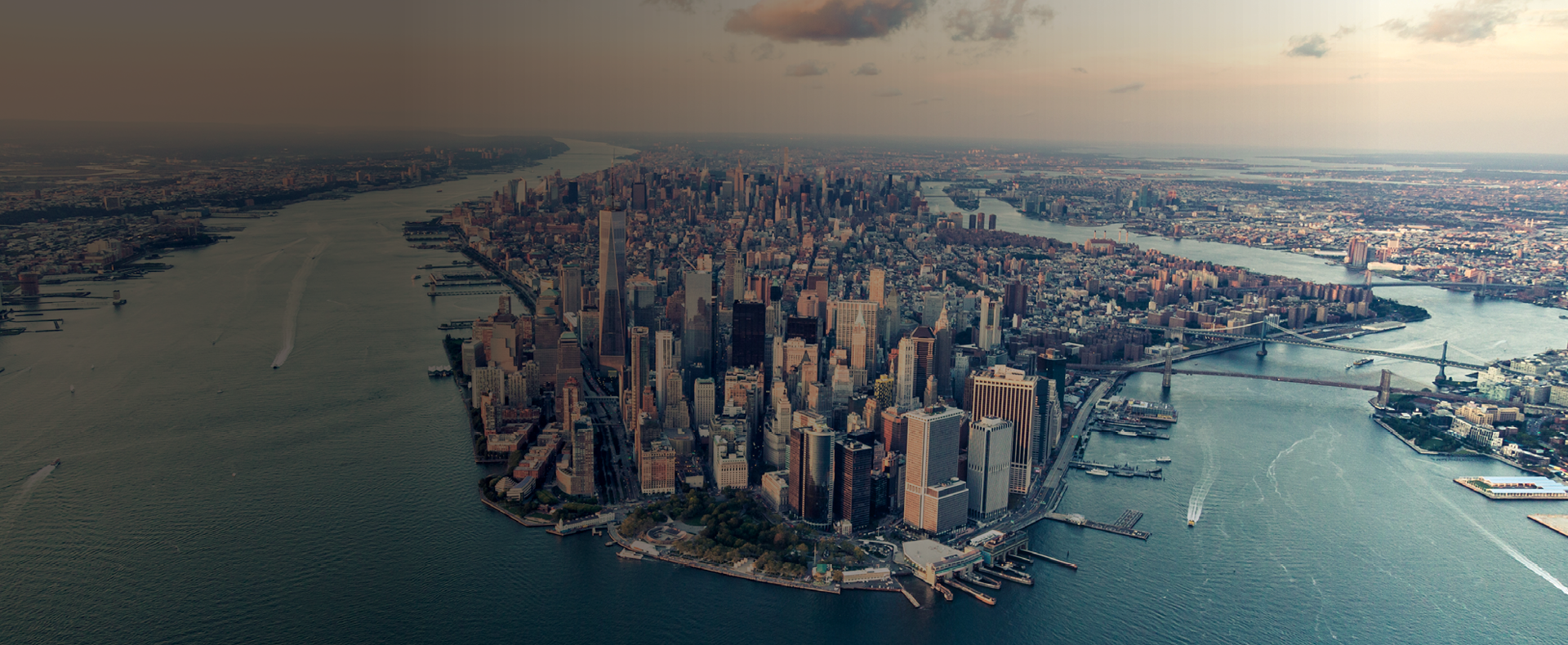
Of course, we all know that the Big Apple is bigger than LA.  We are presently at just about 8.4 million, the highest population ever seen in the City’s history!  We also all know that we are more diverse and more dense than any other place in the nation.  The City’s Planning Department (a.k.a. New York’s Smartest) has a great wealth of population statistics http://www.nyc.gov/html/dcp/html/census/popdiv.shtml on the 5 boroughs.

We at ZONE are fascinated by several key facts:

a)  1 out of every 36 persons in the US lives in NYC.

b)  New York has more residents than 39 of the 50 states.

c)  Of all the counties in the US, New York County (a.k.a. Manhattan) is the most densely populated.  Not surprising, right?  The second most densely populated County in the whole country?  Kings County (a.k.a. Brooklyn).  Surprised?  Brooklyn, while more populous than Manhattan, isn’t normally considered dense.   The City as a whole is the most densely populated major city in the country, with 27,000 people per square mile.

d)  While the City is at its population peak, Brooklyn and the Bronx have yet to reach their population highs.  Brooklyn peaked the year that the Dodgers left; the Bronx in the 1970′s.

For ZONE, the above raises an intriguing question:  What is the City’s capacity to grow and change — and, where should this growth occur.  If Brooklyn and the Bronx were once larger, they presumably have the capacity to grow and change.  Since Queens and Staten Island have seen much of the real population increase, should these boroughs receive the most attention in terms of measures to stem growth – e.g. so-called “downzonings”.

The City’s decade and a half long period of growth contrasts with the population declines of the 1970′s and early 1980′s.  At the risk of over-simplifying matters, it seems that the population increase has coincided with an overall improvement in the City’s economic and physical condition (contrast today’s Parks with the decay of the early 1970′s or today’s fiscal challenges with those faced in 1975); and it is interesting to note that the boost to the City’s population has resulted in a crime rate that is much lower than the period of declining population and closer to the rate in the 1960′s — the last time that the population was stable.

Zoning and land use policy plays a significant role in channeling growth and focusing where new development can/should occur.  Maintaining strong, vibrant neighborhoods and matching infrastructure with growth patterns are key challenges for our Planning Department.

If trends continue as expected (given our current birth rate and in-migration), the Planning Department says will we hit 8.7 million by 2020 and 9.1 million by 2030!  Will we have the new housing capacity to keep pace?  Will our zoning policies and development patterns accommodate this growth.  ZONE will be watching!


Leave a Reply

Spam Protection by WP-SpamFree Plugin

Get Adobe Flash playerPlugin by wpburn.com wordpress themes